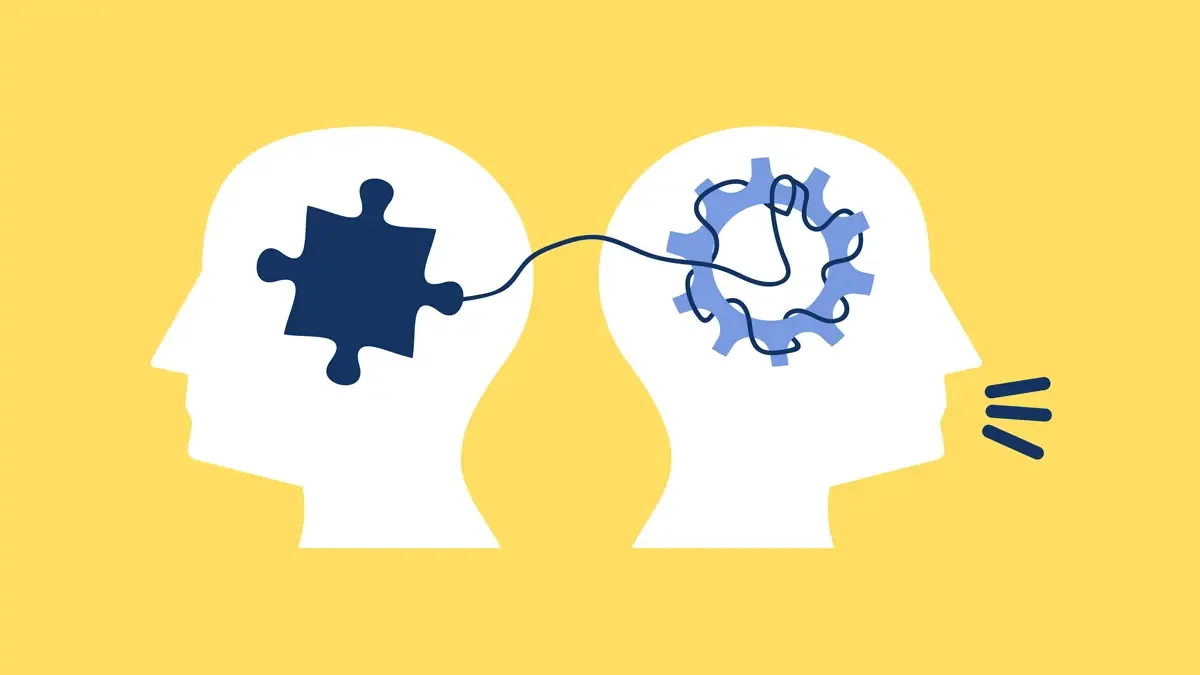
Imagine it’s a Saturday night and people are lining up for an exclusive NBA courtside pop-up dinner or browsing Costco aisles hoping to meet a potential date.
We’re more connected than ever, yet lonelier and this irony isn’t lost on consumers or brands paying attention. Today’s winning brands know cultivating loyalty with a rewards program is not it. Instead, they’re creating tangible moments that offer exclusivity, experience, and a sense of belonging. They recognize consumers want moments that can’t be screenshot.
The Cultural Shift: Why Now?
Well, we’re spending less time with friends, family, and the coworkers we typically build camaraderie with. Even volunteering used to make up an important portion of our lives decades ago, helping us feel connected and part of the community (Boston College Magazine). This isolation is exactly what the U.S Surgeon General warned about in 2023.
Today, we escape from our boredom and stress through endless hours of doomscrolling leading to a rise in people feeling isolated from each other. Reinforcing that pattern, those who already feel lonely are even more likely to get pulled into doomscrolling. It’s why many, especially Gen Z, are opting for an analog life – trading apps for singles night, retro cameras over perfected iphone snaps, and joining running clubs.
Essentially, consumers aren’t just buying products – they’re buying belonging, stories, and memories they can actually feel.
And Brands Are Already Nailing It
Credit Cards as Curators
Instead of a rewards program, credit cards like Chase Sapphire and BILT are providing access passes to exclusive, can’t-Google-your-way-into experiences.
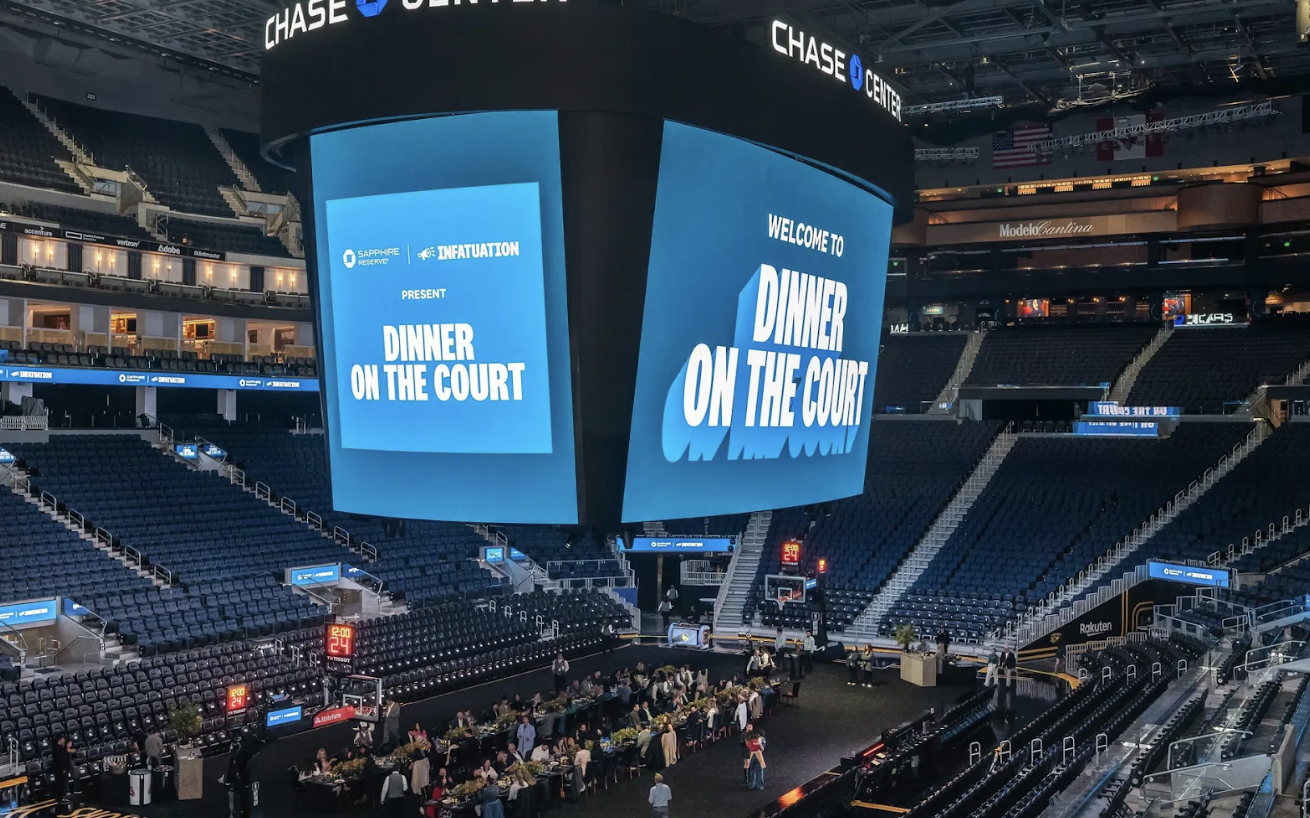
Just last year, Chase Sapphire Reserve cardholders received invites to intimate chef dinners in select cities as part of their “Dinner on the Court” pop-up – can you imagine that experience? BILT offers a wide selection of free fitness classes at SoulCycle and Barry’s or exclusive Comedy Nights for cardholders available on “rent day.”
The Takeaway: Loyalty isn’t transactional anymore. It’s experiential. These brands understand that a surprise invite feels like being let into a secret club. And it works! Scarcity + personalization + local relevance = genuine FOMO (the good kind).
Guinness Turns Tourists Into Participants
If you’ve visited Guinness’ storehouse, you know it isn’t just a tour. It’s a choose-your-own-adventure in brand immersion. One of the floors, for instance, offers guests the chance to print their selfie onto their Guinness foam – talk about Instagram gold! But more importantly, it’s a tactile memory.
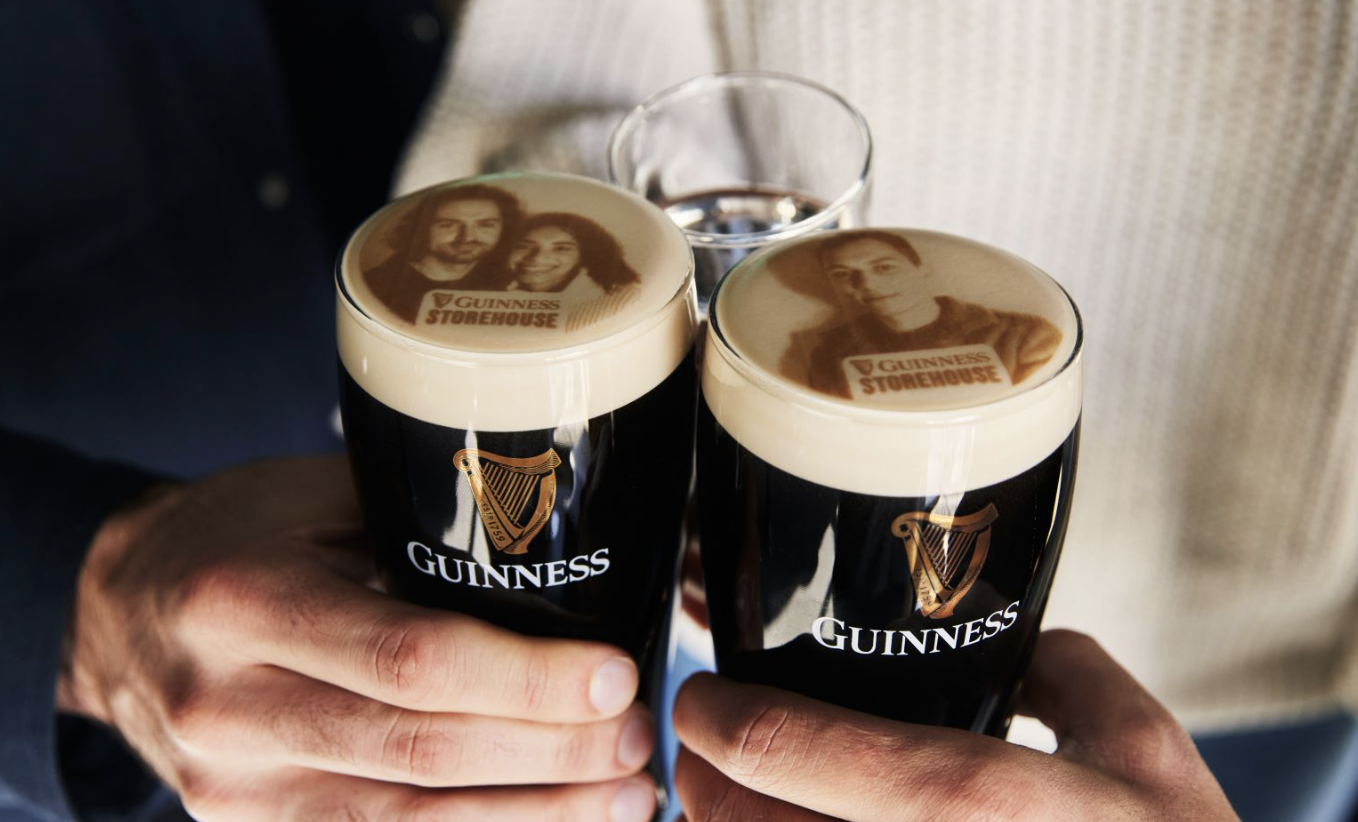
The Takeaway: Give people agency in the experience. Let them opt into the magic (and pay for it, because they likely will!). You’re not just observing the brand but you’re co-creating your moment with it. This is personalization meets participation.
Dating IRL: The Costco Singles Night Phenomenon
Imagine trading swipes for love… in the aisles of a Costco. It’s weird, it’s fun, and it’s a memorable story. That’s what happened when more than 100 singles met on a Thursday night at Costco in San Francisco for a singles meets bulk shopping event hosted by RareBird.
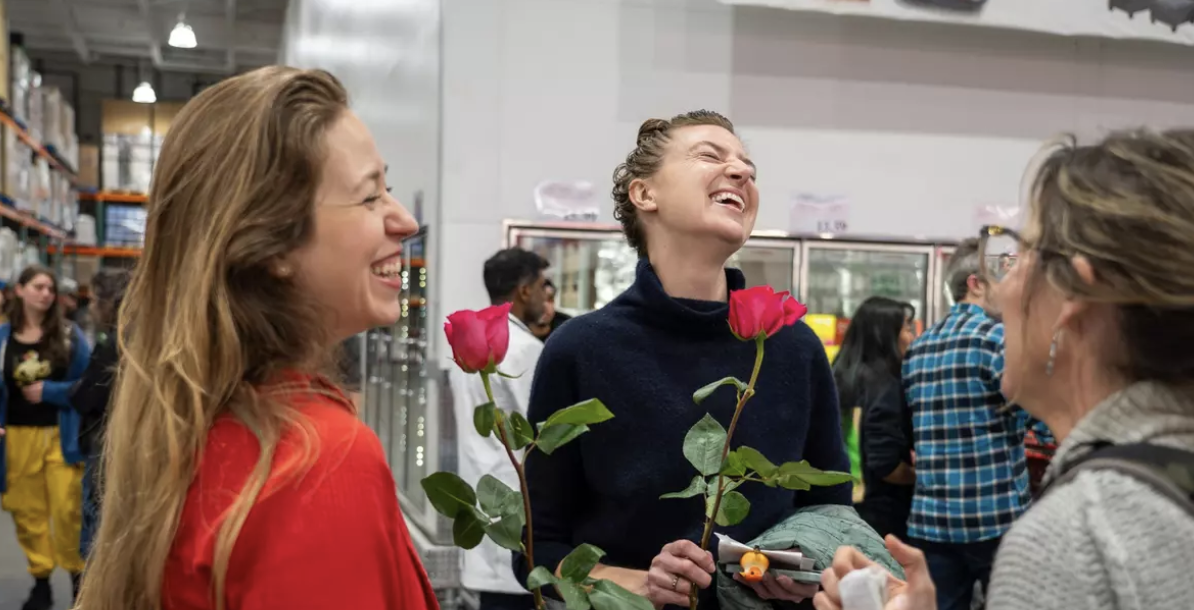
Similarly, local groups are organizing meet-ups in bookstores, farmers markets, pop-up movie outings, hikes, run clubs, etc.
The Takeaway: Sometimes, the “experience” is just removing the friction from human connection and giving people permission to be present.
So What Can Your Brand Do?
1. Audit Your Existing Loyalty Infracture You probably already have the data. Who are your most engaged customers? Where do they live? What do they care about? Look at your rewards program. Are you offering just discounts and points? What if those points unlocked access instead?
2. Think Hyper-Local and Hyper-Relevant Not every experience needs to scale nationally. The intimacy of only three cities makes it more desirable. Consider partnering with creators, venues, or leveraging cultural moments your consumers already care about – like RareBird did. What would make your customers feel seen, not just sold to?
3. Make It Opt-In, Not Overwhelming Guinness worked because it's a “choose your own adventure.” Just like them, you can offer tiers too – from a simple meet-up, premium hands-on workshop, or a VIP/once-in-a-lifetime moment. Surprise and delight but don’t spam. Remember, one unforgettable quarterly event is better than monthly mediocre ones.
4. Let Them Tell the Story These experiences should be worth talking about, not just because you asked for UGC but because it was truly memorable. Build in those shareable moments (like Guinness) but don’t force it in.
Consumers are voting with their time and they’re choosing real experience over virtual ones. Brands that recognize this aren’t just building loyalty – they’re building community, memory, and meaning. Now, is your brand bold enough to take it offline?