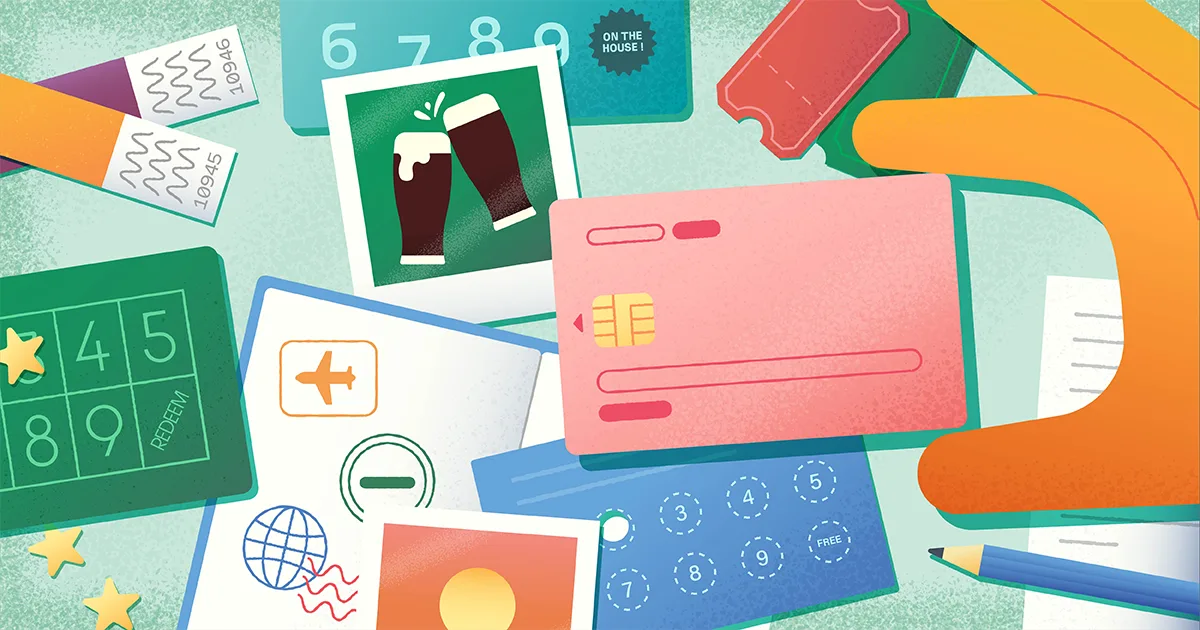
Several months ago I had an unsettling realization: I couldn’t put my phone down. I tried to be mindful of my screentime but I would find myself scrolling through Instagram without even realizing what I was doing. Putting a time limit on my apps wasn’t enough; I needed a real, physical barrier between me and my TikTok algorithm. So I got a Brick.
Brick is a physical device that can temporarily block access to certain apps on my phone. To “unbrick” my phone, or regain access to my social media apps, I have to physically tap my phone to the device, a magnetic block I have attached to my fridge. As a company, Brick is representative of a larger cultural shift towards more mindful consumption of media. In fact, half of Americans now deliberately limit their screen time (source).
As more digital-natives, including myself, are shifting towards a less-online lifestyle, I reflect on my three biggest takeaways from my Brick experience, and what they could mean for brands:
Learning #1: The less I’m on social media, the less I want to be on social media
The more time I spent with my phone Bricked, the more I realized my excessive phone time was cyclical: Spending more time online made me understand more conversations online, which made me enjoy my time online more. Conversely, being less-online makes me miss posts or trends, which makes me understand less online conversation about these pieces of content, which makes me less interested in the platforms all together.
The takeaway: Playing into popular internet trends may not have the sticking power it used to; connect with consumers by encouraging them to find your brand IRL through activations, giveaways, or other tangible manifestations.
Learning #2: Long form content is worth my time
By removing my ability to be on social media whenever I wanted, I have become pickier about the content I am consuming. I find that I am more drawn to, and interested in, long form content. Because I no longer feel compelled to consume all the content on my phone, I am much more cutthroat about what is worth consuming. If I wait all day to open my Instagram, the benchmark for what I consider “worth my time” has shifted dramatically and my expectations, especially for brands, are higher. To me, long form content signals care and investment from the brand, making me more likely to tune in.
The takeaway: Quality over quantity has never been more true. Consumers are getting pickier, so make content worth their time.
Learning #3: Celebs are drawing my attention
I use social media as a tool to keep up with culture, popular figures, and celebrity news, so by limiting my screentime, I am limiting my knowledge of current culture. This has actually driven me to be more interested in celebrity-fronted campaigns because they provide me with entertainment and cultural context for what/who is popular and why. These campaigns are also usually interesting enough that I can take them offline and discuss them with my peers and coworkers, causing me to see more benefit in seeking them out compared to typical brand content.
The takeaway: Celebrities are still a monocultural thread that should be used to your advantage. Celeb-fronted content is interesting enough for consumers to seek out and creates a natural reason to talk about your brand.
The way that people are consuming content is changing - social media isn’t disappearing but audiences are shifting to more mindful consumption. It’s no longer about getting people to “follow” your profiles, it’s about making yourself valuable enough for consumers to seek you out when they are being more selective about how they spend their time.